
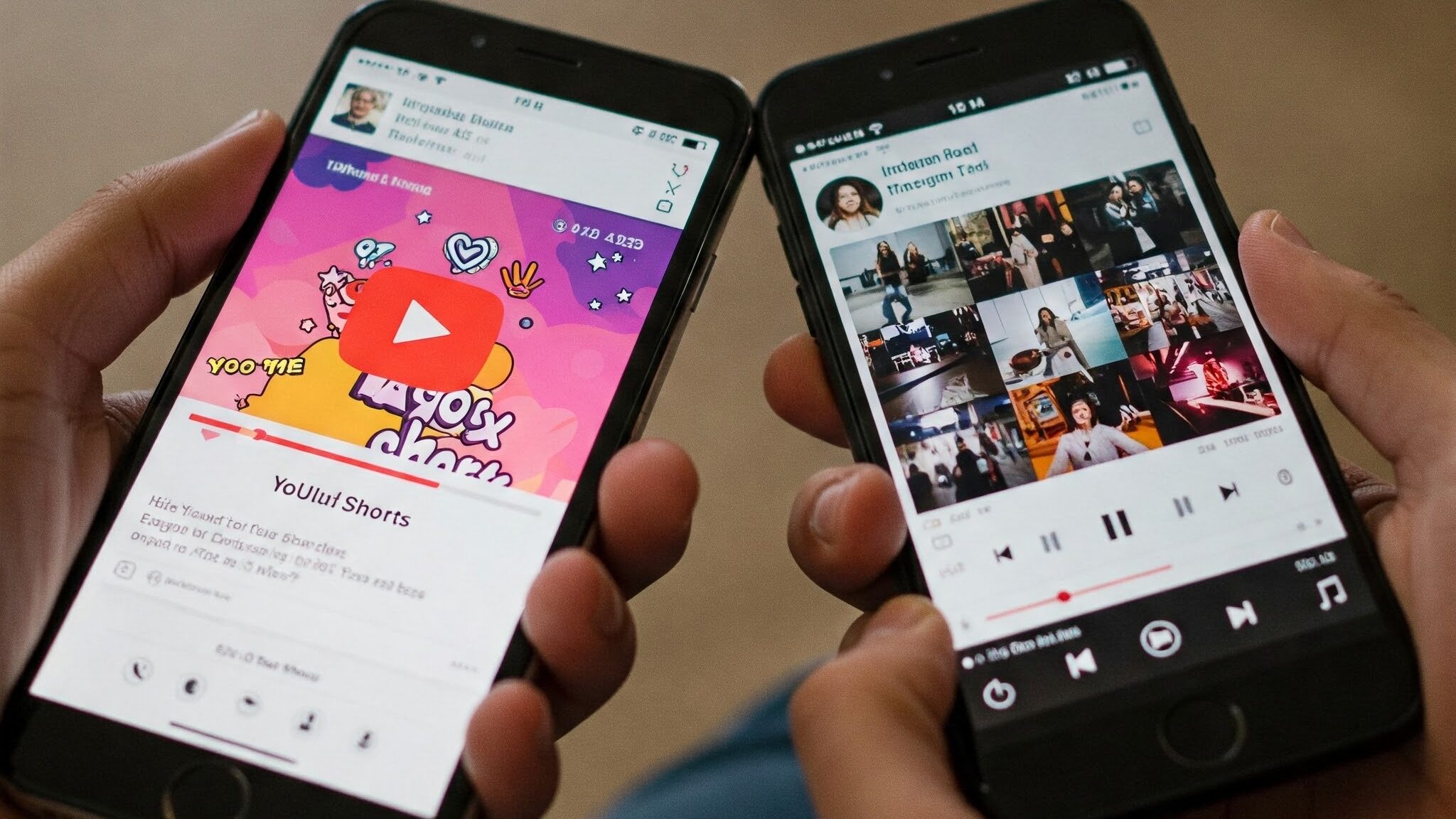
In the modern age of the internet, short videos on platforms such as Instagram Reels and YouTube Shorts have been in the spotlight.
With a runtime of only a few seconds, these videos aim to entertain, teach, or motivate at warp speed. Yet, as much as we indulge in these little snippets, what are they actually doing to our brains? Let’s find out the science behind the scroll.
Dopamine Rush: The Reward System in Overdrive
Each time we happen to see a captivating or astonishing video, the brain rewards us with a minute injection of dopamine—the “happiness” neurotransmitter.
Regular shots can put us in the feedback loop trap, where we scroll and continue searching for the next fulfilling piece of footage. It can lead to a sort of habit that develops over a period of time, similar to sugar or betting.
Declining Attention Span
The creators of short-form content aim for maximum impact in the shortest possible time. Although this is easy to watch, it conditions our minds to receive instant gratification, which impacts the individuals by making it more difficult to concentrate on long-form content like reading books, lectures, or even conversations.
Information Overload and Mental Fatigue
Reels and Shorts tend to touch on many subjects in rapid succession. Such a continuous barrage of new information can overtax our cognitive processing capacity, resulting in mental exhaustion and decision paralysis. The mind, overwhelmed with stimuli, cannot prioritize and store meaningful information.
Emotional Whiplash
Transitioning from a funny pet clip to a heartbreaking story in just a few seconds can cause emotional highs and lows.
Such immediate change in moods can strain our mental state and might have an impact on mood swings or anxiety (especially with long periods of exposure to the short contents)
Surface-Level Learning
Though there are some Shorts that offer educational information, but because they’re so short, they can’t always go into much detail. This means we are receiving basic-level knowledge as opposed to profound learning.
(Sometimes, they can prove beneficial in reminding students of something they already know or making curious to learn more)
The Bright Side: Quick Learning and Inspiration
Not everything has a negative impact. If watched carefully, short videos can be a great micro-learning tool. They can provide advice, hacks, language tutorials, or motivational kicks that easily integrate into a hectic lifestyle. It is all about the intention and the nature of content we opt for.
Tips to Remain Brain-Healthy while Enjoying Shorts:
- Set time limits: Prevent infinite scrolling by applying timers or app usage trackers.
- Edit your feed: Follow content creators who provide substantial, educational, or motivational/inspirational content.
- Digital detox breaks: Give your brain a break from screens periodically.
- Vary content formats: Diversify your media diet with books, podcasts, and extended videos.
Conclusion
Reels and YouTube Shorts are the offspring of our fast-paced digital age, providing instant learning and entertainment in a compressed package. While they enhance our lives, overindulgence or mindless scrolling can affect our brain’s concentration, emotional health, and mental function. With conscious use and a balanced media diet, we can have the best of both worlds without sacrificing mental health.
Stay curious, scroll mindfully!